What is Kaizen?
Kaizen is both a philosophy and a set of practices rooted in the belief that every process can be improved and that the people closest to the work are best positioned to identify how. Originating from the Toyota Production System and Japanese manufacturing practices, kaizen has become a foundational principle in Lean manufacturing and operational excellence worldwide.
The core idea is deceptively simple: small, consistent improvements are more sustainable and impactful than large, infrequent transformation projects. Kaizen emphasizes daily, incremental changes made by everyone in the organization rather than periodic overhauls driven by specialists.
Kaizen is often associated with two distinct practices: kaizen events (focused workshops for rapid improvement of a specific process) and kaizen culture (an organizational mindset where improvement is embedded in daily work). While events deliver quick wins, lasting results come from building a culture where every team member takes responsibility for identifying and implementing improvements.
Why It Matters for Manufacturing Teams
For frontline manufacturing teams, kaizen provides a practical framework for turning daily observations into meaningful action:
- Bottom-up improvement — Operators and technicians identify issues that management may not see
- Cumulative impact — Small changes across many workstations, shifts, and facilities compound into significant gains
- Lower risk — Incremental changes are easier to test, reverse, and refine than large-scale transformations
- Stronger engagement — People take ownership when their ideas are valued and implemented
- Cultural foundation — Kaizen builds the mindset and habits that make all other improvement methodologies more effective
Manufacturing environments with strong kaizen cultures typically see sustained improvements in quality, safety, efficiency, and employee satisfaction.
Key Components
A successful kaizen practice includes:
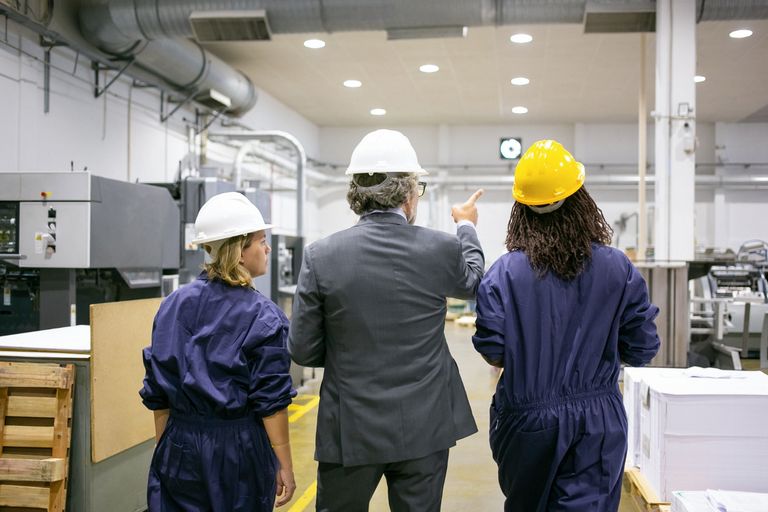
- Leadership commitment — Visible support through Gemba walks, resource allocation, and recognition
- Frontline empowerment — Clear channels for capturing and acting on ideas
- Structured problem-solving — Methods like 5 Whys, PDCA, and A3 to guide disciplined thinking
- Standardization — Documenting improvements as standard work to prevent backsliding
- Recognition — Acknowledging contributions to reinforce improvement behavior
- Daily rhythm — Embedding improvement into shift meetings, daily management, and routine work
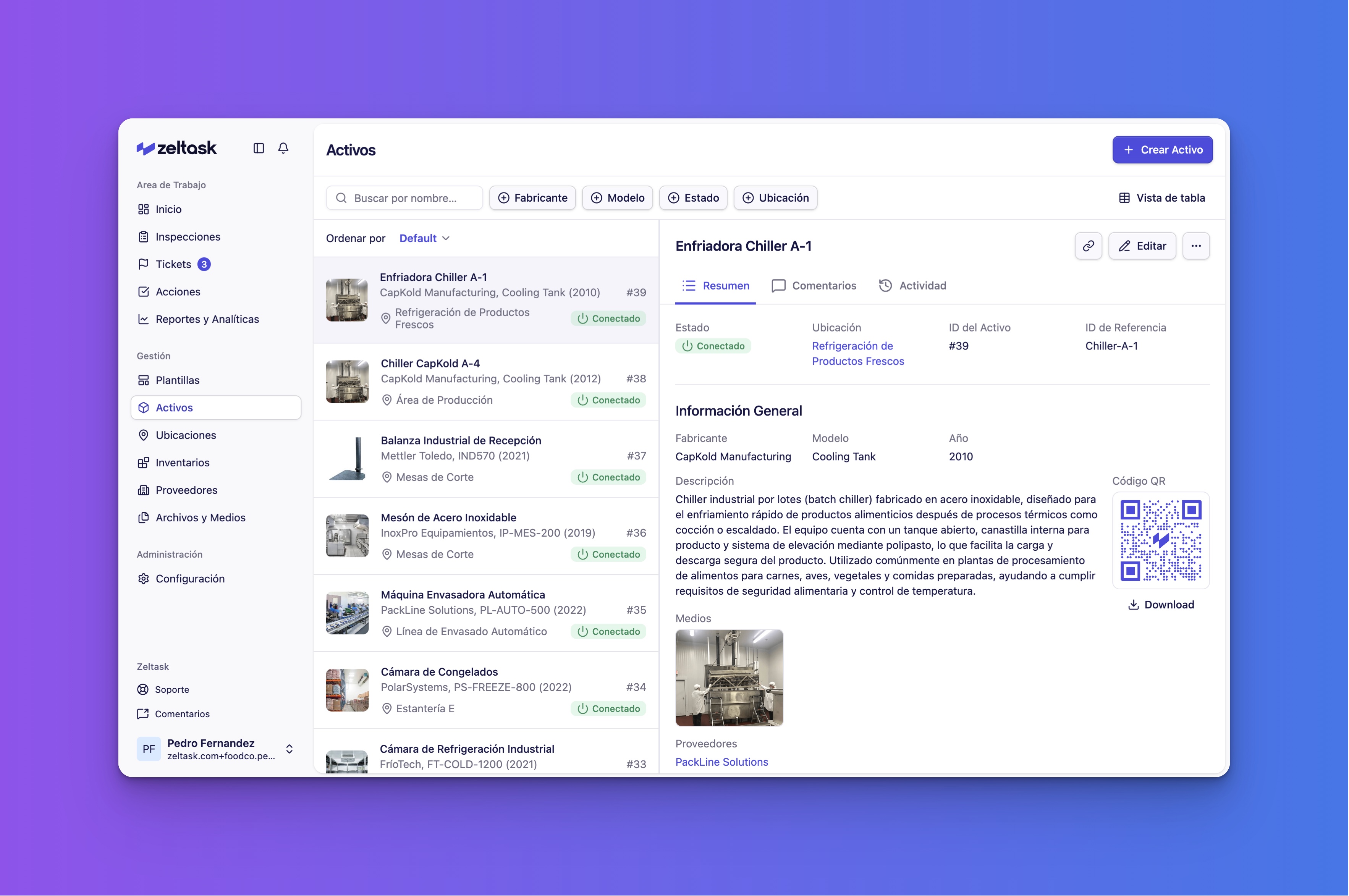
How Zeltask Supports Kaizen
Zeltask provides the digital infrastructure that makes kaizen sustainable. The Tickets module allows any frontline team member to capture observations and improvement opportunities with photos and context. The Actions module converts those observations into trackable tasks with clear ownership and deadlines. Inspections verify that improvements are being followed, and Templates standardize best practices for consistent execution across shifts and locations.