Quick Definition
A Gemba walk is a leadership practice where managers and supervisors go to the actual place where work is performed to observe processes, engage with frontline teams, and identify opportunities for improvement.
What is a Gemba Walk?
"Gemba" is a Japanese term meaning "the real place" — in manufacturing, this refers to the shop floor where value is created. A Gemba walk is the practice of leaders physically going to the work area to observe operations firsthand, ask questions, and understand how work is actually performed rather than relying solely on reports and metrics.
Gemba walks are not inspections or audits. They are learning opportunities. The goal is not to find fault, but to see the reality of daily operations, understand challenges that frontline teams face, and demonstrate leadership commitment to continuous improvement.
The practice originates from the Toyota Production System, where leaders are expected to "go and see" before making decisions. It reflects a fundamental belief that the best understanding of work comes from observing it directly.
Why It Matters for Manufacturing Teams
For frontline manufacturing teams, Gemba walks have a significant impact:
- Signals leadership commitment — Regular presence on the shop floor shows that improvement matters at every level
- Surfaces hidden problems — Direct observation reveals issues that reports and dashboards may miss
- Builds trust — When leaders listen and act on frontline feedback, trust and engagement increase
- Supports kaizen culture — Gemba walks model the behavior that kaizen culture requires from everyone
- Improves communication — Creates a direct channel between leadership and frontline operations
Effective Gemba walks follow a respectful approach: observe without interrupting, ask open questions, listen more than speak, and follow up on what was learned.
Key Components
A productive Gemba walk typically includes:
- Purpose — A clear focus area (safety, quality, flow, waste)
- Observation — Watching how work is actually performed vs. how it should be
- Questions — Open-ended questions to understand context and challenges
- Listening — Hearing frontline perspectives without judgment
- Follow-up — Acting on what was learned and communicating back to the team
How Zeltask Supports Gemba Walks
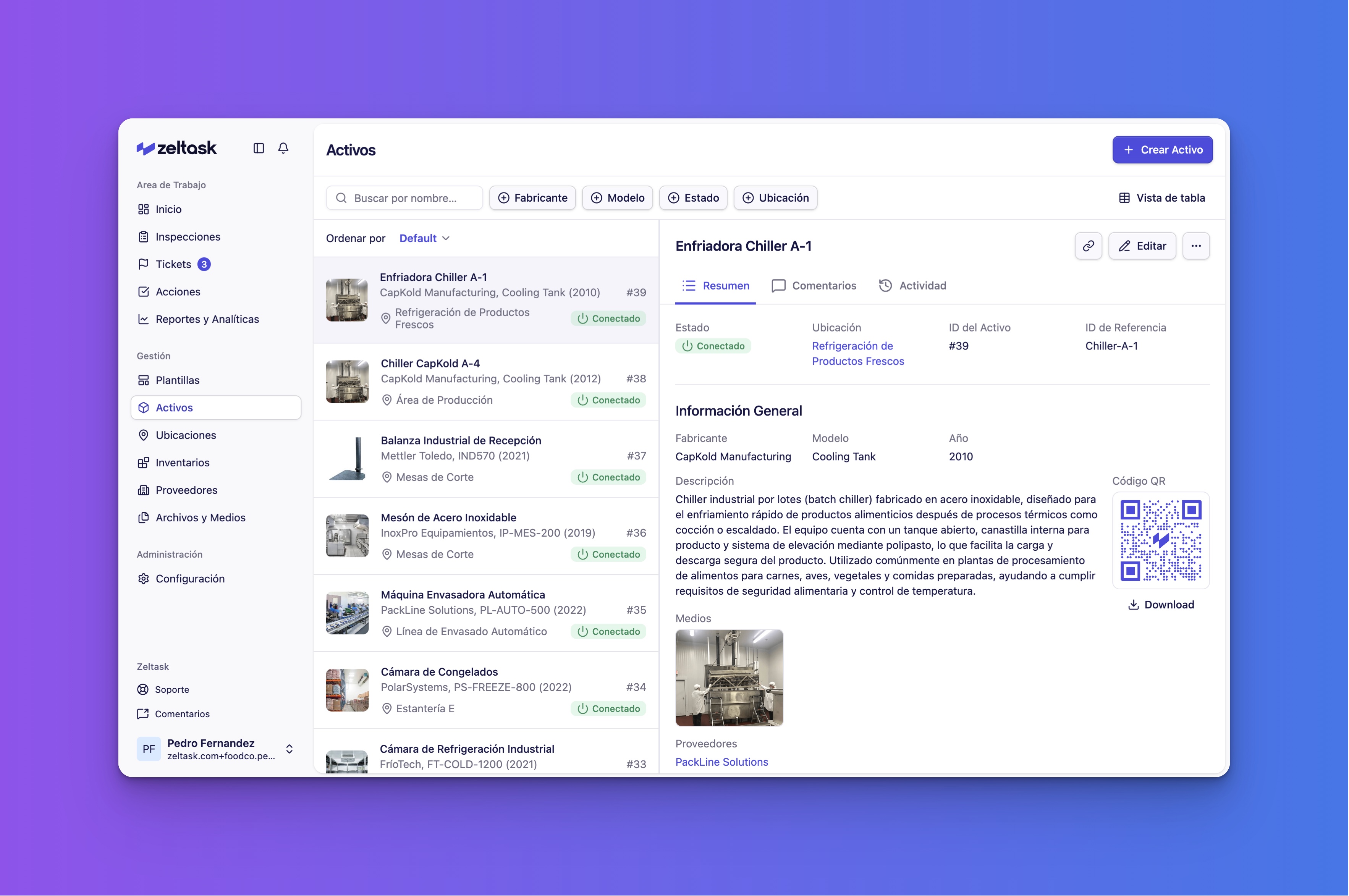
Zeltask supports the outcomes of Gemba walks by providing the tools to act on observations. When leaders identify issues during a walk, they can immediately create Tickets or Actions within the platform — with photos, context, assigned ownership, and deadlines. This ensures that observations translate into structured follow-through rather than forgotten notes.