

Connected Frontline Teams: How to Bridge the Digital Gap in Manufacturing

Felipe Borja
Co-founder & CEO
Introduction
Manufacturing plants invest heavily in automation, sensors, and enterprise systems — yet the people closest to production often remain disconnected from the data and tools those investments generate. Frontline teams still rely on paper checklists, verbal handovers, and bulletin boards while critical operational data sits locked in systems they cannot access.
This disconnect is one of the biggest obstacles to operational excellence. Closing the digital gap between factory systems and frontline workers is not about adding more technology — it is about integrating the people who drive daily outcomes into a connected digital ecosystem. This guide explains what connected frontline teams really means, why the gap persists, and how to close it step by step.
What Does "Connected Frontline Teams" Actually Mean?
Connected frontline teams are workers who have access to real-time information, structured digital workflows, and clear communication channels as part of their daily routines. Simply handing someone a tablet does not make them connected.
True connection means integrating frontline workers into the plant's digital ecosystem so they can access the right data at the right time, make informed decisions, and act on issues immediately. It means frontline teams are no longer operating in a silo.
Four elements define a connected workforce:
Real-time information access — Workers can view updated equipment status, task instructions, safety alerts, and production data on demand, without waiting for a supervisor or searching through binders.
Standardized digital guidance — Instead of interpreting paper instructions differently, connected teams follow structured digital workflows that can reduce variability and improve quality across shifts.
Two-way communication — Connection is not just top-down. Frontline workers both receive information and send it — reporting anomalies, sharing observations, and providing feedback that drives continuous improvement.
Cross-functional visibility — Maintenance, quality, and safety teams work from the same system, so actions, findings, and decisions flow across functions without getting lost in handovers.
Why Connected Frontline Teams Are Essential for Manufacturers
Connecting frontline workers is no longer optional. It directly impacts every dimension of plant performance.
Bridging the Gap in Digital Transformation
Smart manufacturing generates enormous amounts of data through sensors, IoT devices, and enterprise systems. But automated systems collect data — people contextualize it, interpret it, and act on it. Without connected frontline teams, factories cannot translate digital investments into meaningful operational outcomes.
Connected workers bridge the gap between technology and results. They turn data into decisions and alerts into actions on the shop floor.
Closing the Skills Gap
As experienced workers retire, new hires arrive with less institutional knowledge. Connected operations platforms accelerate onboarding by embedding best practices directly into digital workflows. Instead of relying solely on shadowing or tribal knowledge, new team members follow structured procedures, access relevant documentation, and receive guided instructions while executing tasks.
This approach captures operational knowledge in the system rather than letting it walk out the door with retiring employees.
Improving Productivity and Quality
When frontline teams have access to digital checklists, step-by-step procedures, and contextual guidance, they execute tasks with fewer errors and less rework. Work becomes more consistent across shifts and operators. Throughput and output quality tend to improve because teams follow the same verified standards every time.
Manufacturing organizations that build a kaizen culture amplify this effect — connected teams continuously identify and resolve small inefficiencies that compound into significant gains.
Strengthening Compliance and Safety
Manufacturing environments carry inherent risks. Connected frontline teams stay current on compliance requirements, safety protocols, and hazard alerts in real time. Digital inspections help ensure that safety checks are completed consistently and that deviations trigger immediate follow-up actions.
When safety information reaches workers proactively rather than through outdated postings, regulatory violations and workplace incidents tend to decrease.
Increasing Engagement and Retention
Workers who feel informed, supported, and empowered by modern tools engage more deeply with their roles. When frontline teams see that their observations lead to action — that reporting a problem actually results in a fix — they become active participants in improvement rather than passive executors of instructions.
This sense of agency strengthens retention. Organizations that invest in their frontline workforce spend less time and money replacing and retraining talent.
Why the Gap Between Factory Systems and Workers Persists
Despite clear benefits, most manufacturers still struggle to connect frontline teams. Understanding why helps identify the right path forward.
Legacy Systems and Data Silos
Many factories run on a patchwork of spreadsheets, ERP systems, and standalone maintenance tools. These systems contain valuable data, but frontline teams typically cannot access or interpret them. Workers default to paper, verbal communication, and informal workarounds — creating blind spots that management cannot see.
Software Designed for Engineers, Not Operators
Most industrial software was built for back-office users with technical expertise. Frontline workers need mobile-friendly, intuitive interfaces that work in noisy, fast-paced environments. When tools are too complex or desktop-bound, critical information never reaches the people who need it most.
Delayed and Decontextualized Data
Even when data exists, it often arrives too late or without the context needed for action. Frontline workers need real-time, actionable guidance — not yesterday's report in a shared folder. Without timely, relevant information, workers cannot address issues before they escalate.
Lack of Cross-Functional Integration
When production, quality, maintenance, and safety teams work in separate systems, information does not flow between them. Management insights do not reach the shop floor, and frontline observations do not reach decision-makers. This fragmentation is one of the most persistent barriers to connected operations.
How to Build Connected Frontline Teams
Closing the digital gap requires a strategic approach that aligns technology, processes, and people. Here are the essential steps.
1. Choose a Platform Built for Frontline Workers
The foundation is a platform designed for people who do hands-on work — not a system retrofitted from enterprise software. Look for mobile-first design, intuitive interfaces, and the ability to work across maintenance, quality, and safety workflows in a single system.
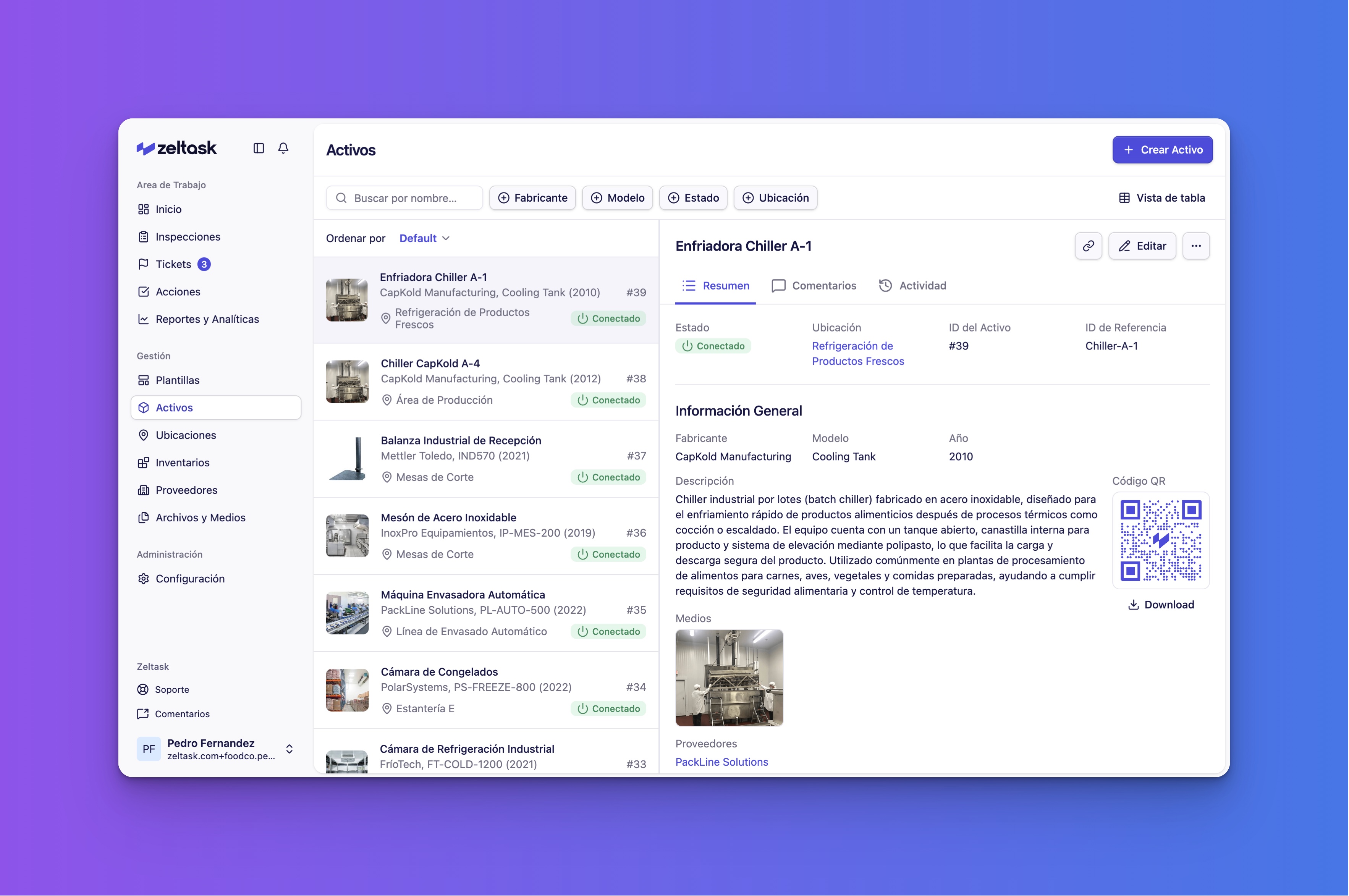
Zeltask is purpose-built for this. As a connected operations platform, it brings inspections, actions, tickets, assets, inventory, and locations into one system that frontline teams can use directly from the shop floor. Every module connects to the others — an inspection finding can trigger an action linked to a specific asset and location, with full traceability from detection to resolution.
2. Digitize Standard Operating Procedures
Paper SOPs are static, hard to update, and impossible to verify. Embedding procedures into digital workflows helps frontline workers receive step-by-step guidance while executing tasks.
With Zeltask's Templates module, teams build standardized inspection and procedure templates that include multiple question types, required evidence fields, and conditions that automatically trigger follow-up actions when specific responses indicate a problem. This closes the loop between instruction and execution.
3. Enable Two-Way Communication from the Shop Floor
Connected teams do not just receive information — they generate it. Frontline workers are the first to notice deviations, equipment issues, and safety hazards. They need simple, structured channels to report what they see.
Zeltask's Tickets module lets any team member formally document a situation — a deviation, risk, failure, or improvement opportunity — with photos, notes, and context. QR codes on equipment and locations enable immediate reporting without disrupting workflow. Each ticket triggers structured follow-up through linked actions and inspections.
4. Integrate Maintenance, Quality, and Safety in One System
The biggest barrier to connected frontline teams is fragmentation — separate tools for separate functions that never talk to each other. True connection requires a single system where all operational workflows are integrated.
In Zeltask, an inspection deviation can generate a ticket, which creates a corrective action, linked to an asset and assigned to a technician — all with context preserved. This cross-functional integration helps break down information silos and makes it less likely that something falls through the cracks between departments.
5. Standardize Across Sites and Shifts
For multi-site manufacturers, consistency is critical. Connected operations platforms allow teams to share templates, procedures, and best practices across facilities. An improvement validated at one plant can be deployed to others quickly and consistently.
Zeltask's template-based approach helps keep the same inspection standards, procedure workflows, and action categories apply everywhere — while still allowing individual sites the flexibility they need.
6. Measure and Improve Continuously
Track metrics like action completion rates, inspection compliance, ticket resolution times, and recurring issue patterns to assess how well your connected workforce strategy is working. Use this data to identify bottlenecks, recognize high performers, and refine workflows over time.
Regular process audits verify that digital workflows are being followed and that standards hold up under real conditions. The goal is not just connection — it is continuous improvement powered by connection.
Getting Started: First Steps
You do not need a complete digital overhaul to start connecting frontline teams. Begin with these practical steps:
Assess the current state. Walk the shop floor. Observe where workers rely on paper, verbal handovers, or workarounds. Identify the biggest gaps between systems and people.
Define clear objectives. What should connected frontline teams accomplish? Reducing unplanned downtime, improving first-pass yield, cutting onboarding time, or strengthening compliance are all measurable starting points.
Start with high-impact use cases. Pick one or two workflows where connection will make an immediate difference — safety incident reporting, preventive maintenance execution, or quality inspection digitization.
Identify digital champions. Find frontline workers and supervisors who embrace new tools. Their feedback and enthusiasm accelerate adoption across the broader team.
Scale gradually. Validate results on one line or shift before expanding. Build evidence that connected operations deliver measurable improvements, then extend to additional areas and sites.
Conclusion
Connected frontline teams are the key to realizing the full value of digital transformation in manufacturing. The workers on the shop floor every day must be enabled with structured workflows, real-time information, and tools that connect maintenance, quality, and safety into a single system.
The gap between factory systems and factory workers is not a technology problem — it is a design problem. When platforms are built for frontline teams rather than retrofitted from enterprise tools, connection happens naturally. And when connection happens, so does operational excellence.
Ready to see how Zeltask connects frontline teams across maintenance, quality, and safety? Schedule a demo and discover how connected operations work in practice.
Written by
Felipe Borja
Co-founder & CEO
Felipe Borja studied Business Administration at Adolfo Ibáñez University in Chile and earned an MBA from Leipzig University in Germany. At Zeltask, he is responsible for everything related to marketing and working with our clients.
Related Posts

The Standard Travels: Operational Excellence in Food Service
A guide to keeping quality and safety consistent across every food service location — with a single check running on mobile, photo evidence collected in each response, and automatic escalation when something breaks the standard.
Lean Six Sigma Belts: A Practical Guide for Manufacturing Teams
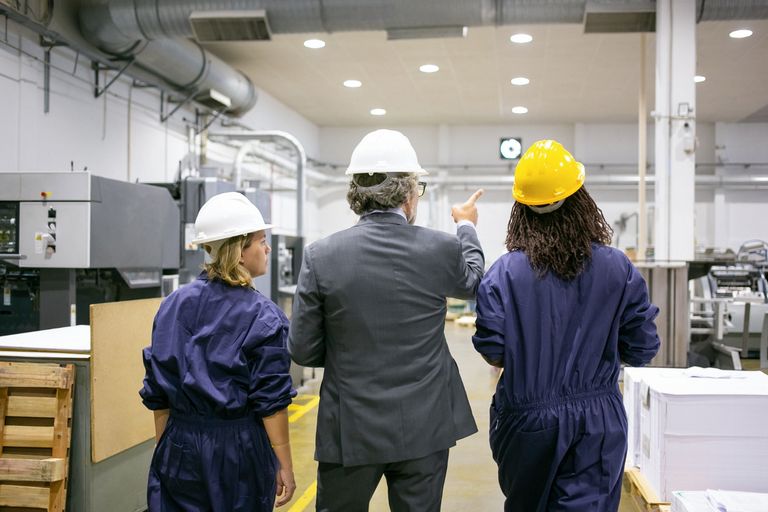
Lean Six Sigma belts define how manufacturing teams structure improvement work — from frontline awareness to enterprise-wide strategy. Learn what each belt level does, who it is for, and how to match roles to your plant's real challenges.

Causal Factors: Prevent Recurring Problems in Manufacturing
Causal factors are the conditions and actions that directly contribute to manufacturing problems. Learn how to distinguish them from symptoms and root causes, identify them on the shop floor, and use them to build corrective actions that actually stick.