Quick Definition
Causal factor analysis is a structured problem-solving technique used to identify the specific conditions, actions, or events that directly contributed to a problem occurring — bridging the gap between visible symptoms and underlying root causes.
What is Causal Factor Analysis?
Causal factor analysis is a method for investigating problems by identifying the immediate triggers that allowed an issue to develop. Unlike root cause analysis, which seeks the deepest systemic reasons behind a problem, causal factor analysis focuses on the specific conditions or actions that were present when the incident occurred.
Causal factors occupy a critical middle ground in problem-solving. Symptoms are what teams notice first — higher scrap rates, slower cycle times, machine stoppages. Root causes are the systemic weaknesses — flawed procedures, inadequate training, missing controls. Causal factors are the triggers that connect the two: the unclear instruction that led to a skipped step, the missing inspection that allowed defective material through, the worn tool that nobody flagged.
The value of causal factor analysis lies in its immediacy. While root cause analysis may take days or weeks, identifying causal factors allows teams to take targeted corrective action quickly — often preventing the problem from recurring even before the full investigation is complete.
Why It Matters for Manufacturing Teams
For frontline manufacturing teams, causal factor analysis provides practical, actionable insights:
- Faster response — Causal factors can be identified and addressed more quickly than root causes
- More precise corrective actions — Targeting specific conditions rather than applying broad fixes
- Reduced recurrence — Eliminating contributing conditions significantly lowers the chance of repeat incidents
- Better root cause analysis — Teams that identify causal factors first conduct more focused and efficient RCA
- Frontline empowerment — Operators and technicians can learn to spot causal factors during daily work
- Cross-functional alignment — Documented causal factors with evidence help align production, quality, maintenance, and safety teams
Key Components
An effective causal factor analysis typically includes:
- Timeline reconstruction — Mapping the sequence of events leading to the problem
- Direct observation — Going to the shop floor (Gemba) to see conditions firsthand
- Frontline input — Interviewing operators and technicians who were present
- Data review — Examining historical trends, inspection records, and maintenance logs
- Structured analysis tools — Using 5 Whys, Ishikawa diagrams, or Pareto analysis to sort contributing factors
- Validation — Testing hypotheses before concluding which factors were truly causal
Common Analysis Tools
- 5 Whys — Iterative questioning to trace cause chains
- Ishikawa Diagram (Fishbone) — Visual mapping of causes across categories (materials, methods, machines, manpower, measurement, environment)
- Pareto Analysis — Identifying the vital few factors that account for the majority of impact
- Timeline Analysis — Reconstructing the sequence of events to identify contributing conditions
How Zeltask Supports Causal Factor Analysis
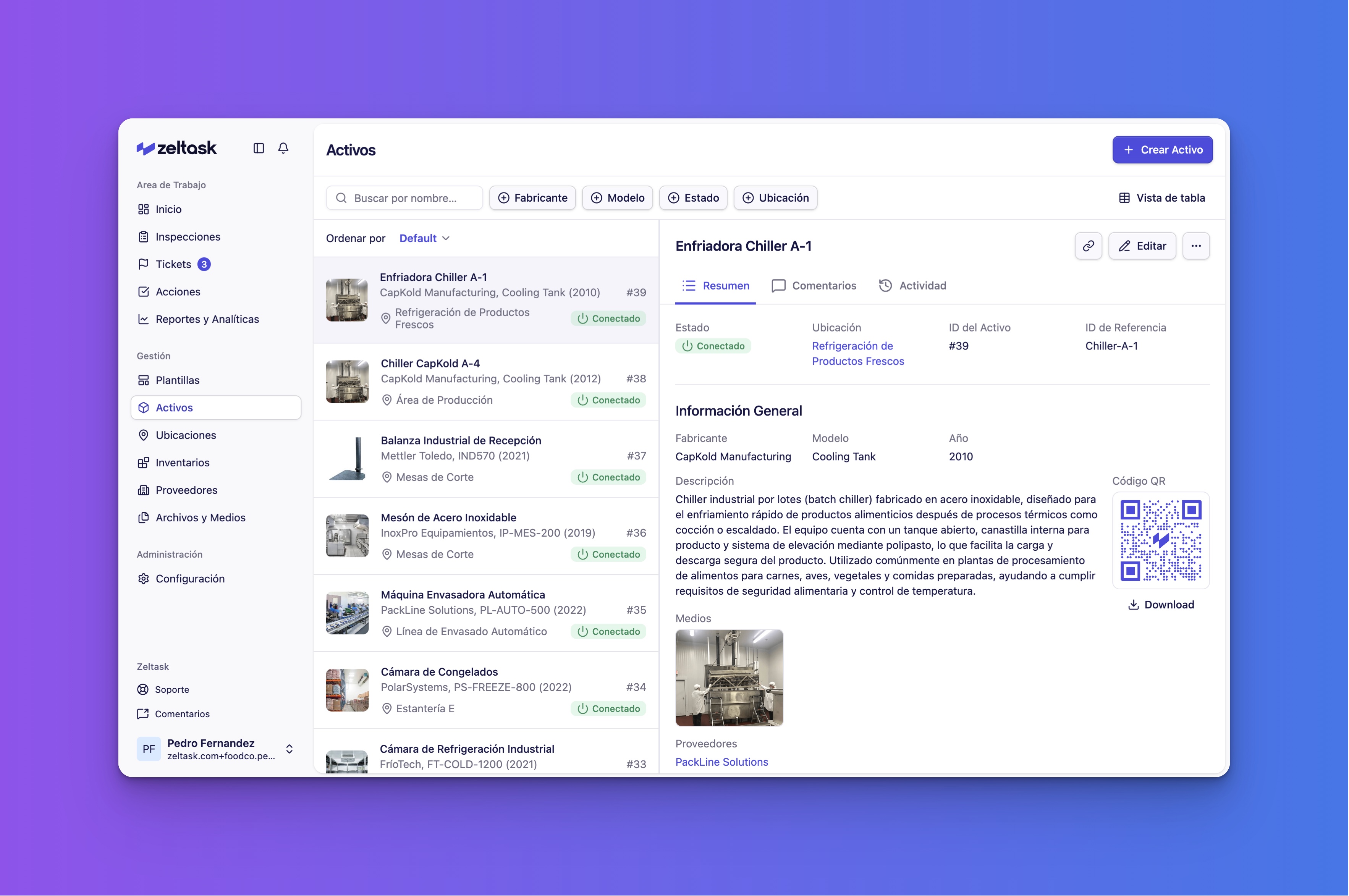
Zeltask supports causal factor analysis through its connected modules. The Tickets module enables frontline team members to capture deviations immediately with photos, context, and location data — creating the documented evidence needed for investigation. Inspections with conditional logic help detect the conditions that contribute to problems, while automatically triggering follow-up actions or notifications. The Actions module ensures that corrective measures have clear ownership, deadlines, and tracking. Templates standardize procedures so that when causal factor analysis reveals a gap, the improvement can be deployed consistently across all shifts and locations.