What is Root Cause Analysis?
Root cause analysis is a systematic approach to understanding why problems occur. Instead of treating visible symptoms, RCA digs deeper to find the underlying factors that, if addressed, would prevent the problem from happening again.
The process typically involves collecting data about an incident, analyzing the sequence of events, identifying contributing factors, and tracing those factors back to their origin. Common techniques include the "5 Whys" (asking "why" repeatedly until the root cause is revealed), fishbone diagrams (Ishikawa diagrams), and fault tree analysis.
RCA is most commonly applied after quality defects, safety incidents, equipment failures, or customer complaints—any situation where understanding "why" is essential to prevention.
Why It Matters for Manufacturing Teams
For manufacturing teams, root cause analysis is the difference between firefighting and genuine improvement:
- Prevents recurrence — Fixing root causes stops problems from coming back
- Reduces waste — Less rework, scrap, and downtime from repeat issues
- Improves safety — Understanding incident causes prevents future injuries
- Builds knowledge — Each RCA increases organizational understanding
- Supports accountability — Focuses on systems, not blame
Without RCA, teams often implement quick fixes that address symptoms while the underlying problem continues to generate issues. This creates a cycle of reactive problem-solving that consumes resources without delivering lasting improvement.
Key Components
An effective root cause analysis typically includes:
- Problem definition — Clear description of what happened, when, and where
- Data collection — Evidence, observations, measurements, and timeline
- Causal analysis — Systematic identification of contributing factors
- Root cause identification — The fundamental reason(s) the problem occurred
- Corrective actions — Solutions that address the root cause
- Verification — Confirmation that corrective actions are effective
Common Techniques
- 5 Whys — Iterative questioning to trace causes
- Fishbone Diagram — Visual mapping of cause categories
- Fault Tree Analysis — Logic-based analysis of failure modes
- Pareto Analysis — Identifying the vital few causes among many
- 8D Problem Solving — Structured eight-discipline approach
How Zeltask Supports Root Cause Analysis
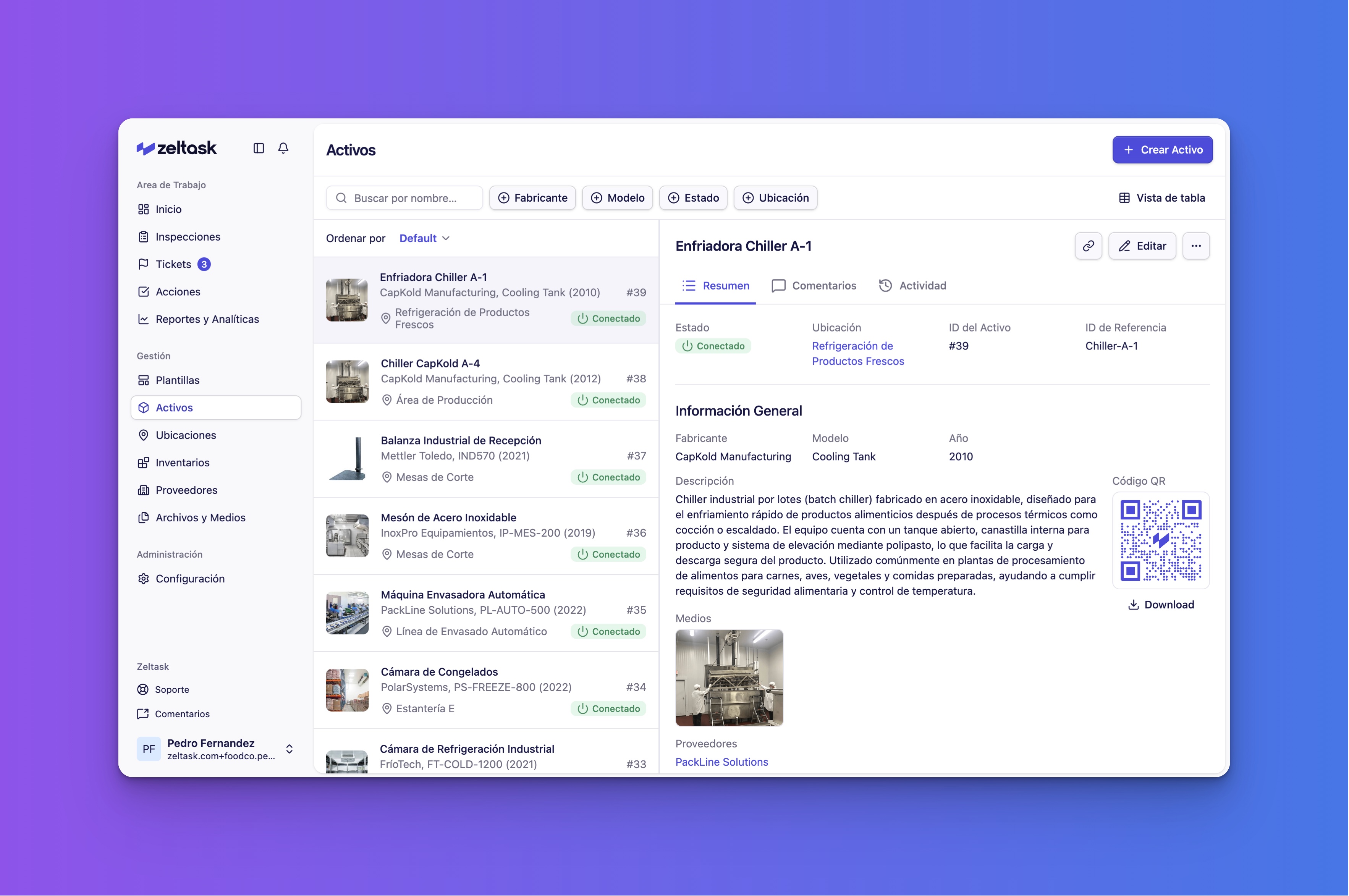
Zeltask supports RCA by providing traceability and data capture throughout operations. When issues are identified through Inspections or Tickets, all evidence—photos, comments, timestamps—is preserved. The Actions module enables teams to document corrective actions with clear ownership and deadlines, while activity history shows the complete timeline of how problems were identified and addressed.
Process audit findings often reveal patterns that inform root cause analysis, connecting shop floor observations to systemic improvements.