What is a Layered Process Audit?
A layered process audit is a structured approach to process verification that engages multiple levels of an organization. Rather than having only quality specialists conduct audits, LPAs distribute audit responsibilities across operators, supervisors, managers, and even plant leadership.
Each "layer" audits the same processes but at different frequencies. For example, operators might verify key process points daily, supervisors weekly, and managers monthly. This creates multiple touchpoints for verification and reinforces the importance of standards throughout the organization.
The methodology originated in the automotive industry but has spread to manufacturing sectors where process consistency is critical to quality and safety outcomes.
Why It Matters for Manufacturing Teams
LPAs address a common challenge in manufacturing: standards that exist on paper but aren't consistently followed in practice. By involving multiple organizational levels, LPAs create:
- Shared accountability — Everyone has a role in maintaining standards
- Increased leadership presence — Managers spend time on the shop floor
- Faster problem identification — Multiple perspectives catch different issues
- Reinforced standards — Repetition across levels builds habits
- Better communication — Audits become opportunities for dialogue
For frontline teams, LPAs demonstrate that leadership is invested in process quality, not just production numbers.
Key Components
An effective LPA program includes:
- Standardized checklists — Same core questions across all layers
- Defined frequencies — Clear schedules for each organizational level
- Escalation paths — Process for handling findings at each layer
- Trend tracking — Analysis of findings over time
- Action closure — Systematic follow-up on identified issues
Implementation Considerations
- Start with critical processes that have the highest impact on quality or safety
- Keep audit checklists focused and practical (typically 10-15 questions)
- Train all auditors on what to look for and how to document findings
- Use digital tools to simplify scheduling, data capture, and trend analysis
- Celebrate compliance and improvement, not just findings
How Zeltask Supports LPAs
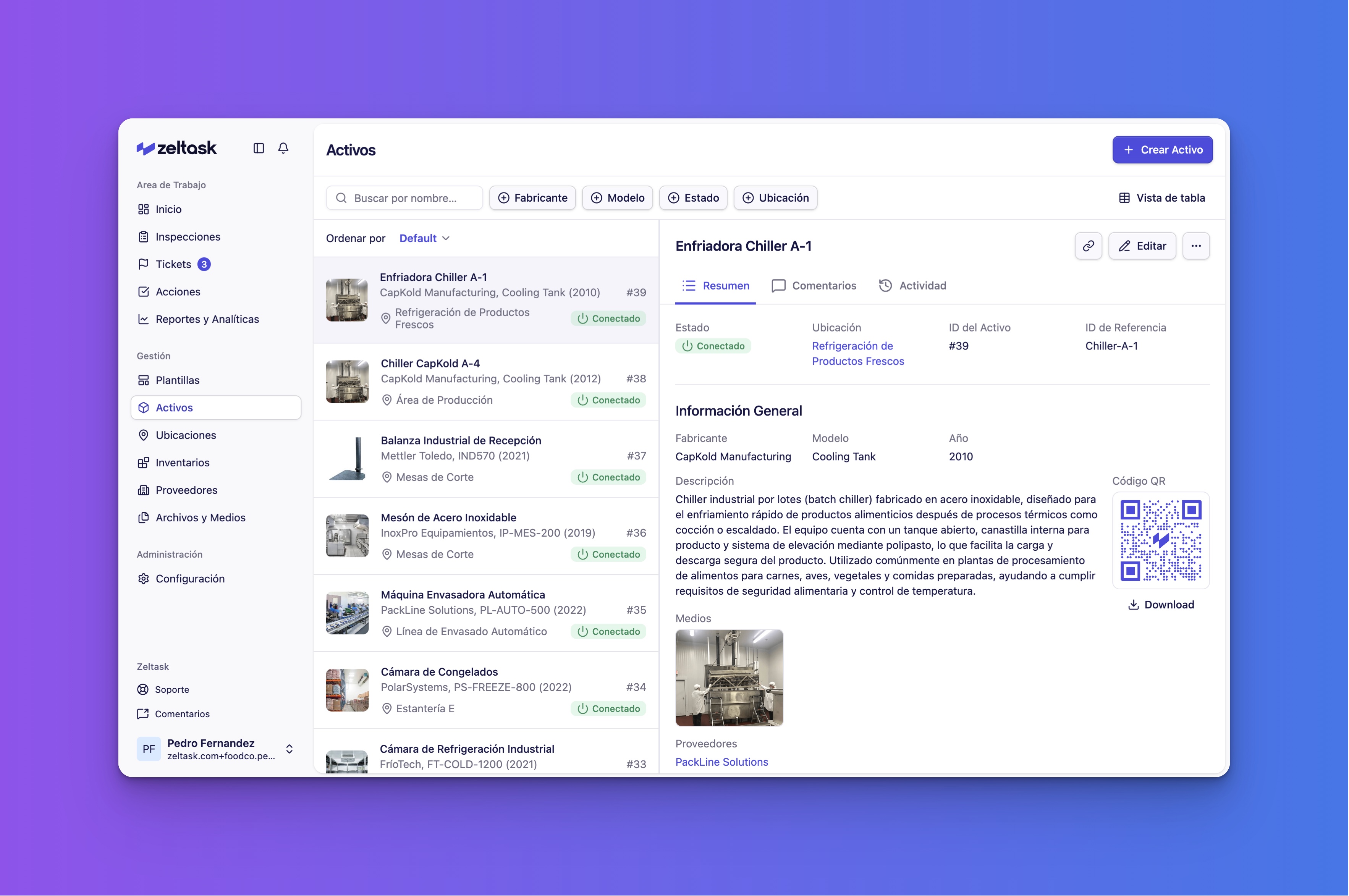
Zeltask enables layered process audits through role-based inspection scheduling. Different user roles (operators, supervisors, managers) can be assigned the same inspection templates at varying frequencies. The platform tracks completion rates, captures findings with evidence, and automatically triggers corrective actions based on responses.