Quick Definition
Continuous improvement is a systematic, ongoing effort to enhance products, services, or processes through incremental changes or breakthrough improvements, driven by frontline involvement and data-driven decision making.
What is Continuous Improvement?
Continuous improvement (CI) is both a philosophy and a set of practices focused on making ongoing, incremental enhancements to how work is performed. Rather than waiting for major overhauls, CI encourages organizations to identify and implement small improvements consistently over time.
The concept is rooted in methodologies like Kaizen (Japanese for "change for better"), Lean manufacturing, and Six Sigma. At its core, CI assumes that every process can be improved and that the people closest to the work are often best positioned to identify opportunities.
Continuous improvement is not a project with a defined end—it's a cultural commitment to always look for better ways of working.
Why It Matters for Manufacturing Teams
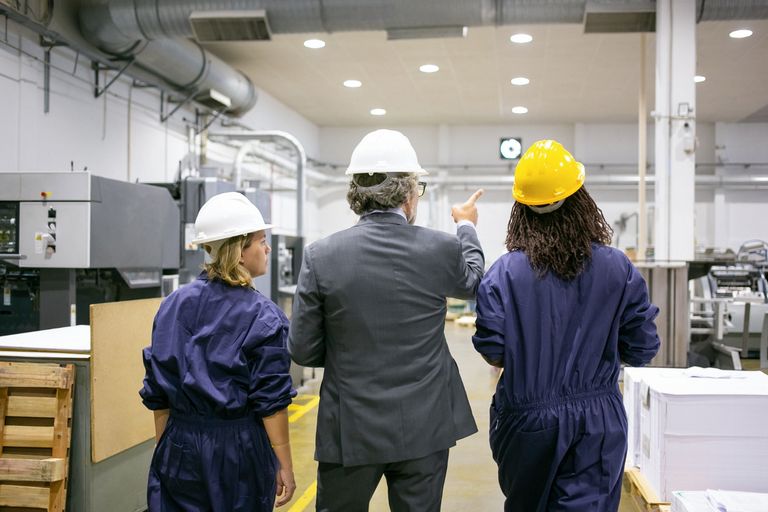
For frontline manufacturing teams, continuous improvement provides a framework for turning daily observations into meaningful changes. This matters because:
- Small improvements compound — Incremental gains accumulate into significant results
- Frontline insights are valuable — Operators see issues that management may miss
- Problems are addressed at the source — Root causes are fixed, not just symptoms
- Engagement increases — People feel ownership when their ideas are implemented
- Competitiveness improves — Organizations that continuously improve outperform those that don't
Manufacturing environments with strong CI cultures typically see improvements in quality, efficiency, safety, and employee satisfaction.
Key Components
Effective continuous improvement programs typically include:
- Structured problem-solving — Methodologies like PDCA, A3, or DMAIC
- Frontline involvement — Mechanisms for capturing and acting on ideas
- Data-driven decisions — Metrics to identify opportunities and measure impact
- Standard work — Documented best practices that serve as the baseline for improvement
- Management support — Leadership commitment to resources and follow-through
- Recognition — Acknowledgment of contributions and successes
Common Methodologies
- Kaizen — Philosophy of continuous, incremental improvement
- PDCA (Plan-Do-Check-Act) — Iterative improvement cycle
- Lean — Focus on eliminating waste and improving flow
- Six Sigma — Data-driven approach to reducing variation
- 5S — Workplace organization methodology
How Zeltask Supports Continuous Improvement
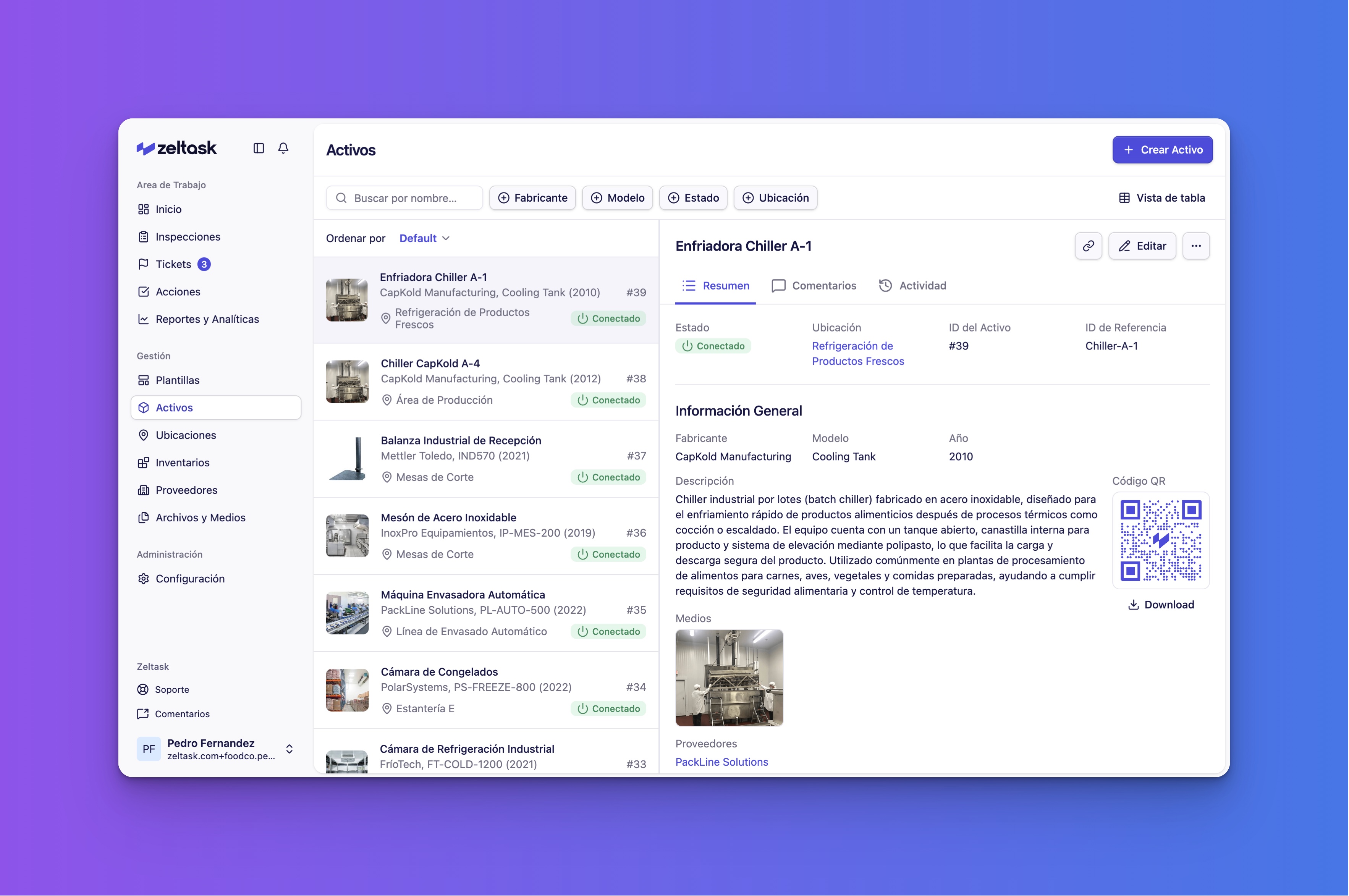
Zeltask provides the operational infrastructure for continuous improvement by connecting observation to action. Through Inspections, teams can systematically verify processes and identify gaps. Through Actions, improvement tasks are assigned, tracked, and completed. Through Tickets, issues are captured and escalated.
The platform's traceability ensures that improvements are documented and sustained, while recurring inspections verify that changes hold over time.