

What Is a Process Audit? A Complete Guide for Manufacturing Teams

Felipe Borja
Co-founder & CEO
Introduction
Manufacturing teams face constant pressure to deliver consistent quality while managing costs, safety, and efficiency. Too often, the focus falls on final products rather than the processes that create them. A process audit shifts this focus—helping teams understand whether their workflows actually perform as intended under real conditions.
This guide explains what process audits are, the types manufacturers use, and how connected operations platforms turn audits from paperwork into a driver of continuous improvement.
What Is a Process Audit in Manufacturing?
A process audit evaluates how a process performs in practice. Rather than inspecting finished products, it examines whether workers follow defined standards and whether those standards hold up under real-world conditions.
In manufacturing, a process audit looks at:
- Operator behaviors and methods — Are team members following the defined steps?
- Tools and materials — Are the right resources available at the right time?
- Work instructions — Are procedures clear, accessible, and practical?
- Risk controls — Are potential issues identified before they cause defects?
This preventive approach distinguishes process audits from product inspections. While product audits detect problems after they occur, process audits help prevent them from happening in the first place.
Process Audit vs. Product Audit
Understanding this distinction is essential for effective quality management:
| Aspect | Process Audit | Product Audit |
|---|---|---|
| Focus | How work is performed | Final output quality |
| Timing | During production | After production |
| Purpose | Prevent defects | Detect defects |
| Outcome | Process improvement | Product acceptance/rejection |
For manufacturing teams focused on long-term performance, process audits deliver greater value by addressing root causes rather than symptoms.
Who Performs Process Audits?
Most process audits are conducted internally by supervisors, quality leaders, engineers, or trained operators who understand the process. These internal audits form the backbone of a consistent audit program.
External audits may also occur for certifications or customer requirements. Regardless of who performs the audit, the objective remains the same: understand how the process actually works, identify gaps, and drive improvement.
Common Types of Process Audits in Manufacturing
Manufacturers use different audit types depending on their goals, risks, and operational maturity. Here are the most common approaches:
Internal Process Audit
An internal process audit verifies that processes follow internal standards and procedures. These audits ensure consistency across shifts, teams, and facilities.
Schedule internal audits regularly to maintain standards and prepare for external certification or customer audits.
Production Process Audit
A production process audit targets specific workstations, production lines, or process steps. It examines how work is performed during actual production, including:
- Machine setup and parameters
- Operator actions and sequence
- Material flow and handling
- In-process inspection points
In high-volume manufacturing, even small deviations can create significant downstream issues.
Quality Process Audit
A quality process audit focuses specifically on processes that affect product quality. It verifies that quality controls are in place, understood, and applied correctly.
This audit type supports quality management systems by ensuring written procedures translate into consistent practice on the shop floor.
Layered Process Audit (LPA)
A layered process audit involves multiple organizational levels auditing the same process at different frequencies. Operators, supervisors, and managers each conduct audits, creating:
- Increased accountability at every level
- Reinforced standards through repetition
- Greater leadership presence on the shop floor
- Faster issue identification through multiple perspectives
LPAs are particularly effective for critical processes where consistency is essential.
Lean Manufacturing Audit
A lean manufacturing audit evaluates how well processes support lean principles. It typically examines:
- Waste identification and reduction
- Process flow and efficiency
- Visual management effectiveness
- Standard work adherence
These audits help sustain lean transformation initiatives and reinforce continuous improvement behaviors.
Continuous Improvement Audit
A continuous improvement audit verifies that implemented improvements are sustained over time. It helps teams:
- Confirm corrective actions were completed
- Verify results are maintained
- Prevent regression to old practices
- Support long-term improvement efforts
Benefits of Process Audits for Manufacturing Teams
When integrated into daily operations, process audits deliver measurable business value beyond compliance.
Improved Process Consistency
Audits ensure work is performed consistently across shifts and teams. Stable processes are easier to manage, improve, and scale—forming the foundation of operational excellence.
Better Quality and Fewer Defects
By verifying process steps, audits identify issues early. Missing steps, incorrect settings, or unclear instructions are caught before defects occur, reducing rework, scrap, and customer complaints.
Stronger Adoption of Standard Work
Many manufacturers define standard work but struggle to verify it's followed. Process audits close this gap by confirming that procedures are:
- Clear and accessible
- Practical for real conditions
- Actually used on the shop floor
Higher Employee Engagement
When audits are collaborative rather than punitive, they encourage participation. Frontline workers often provide insights that documentation misses, turning audits into opportunities for dialogue and learning.
Better Root Cause Analysis
Audit findings reveal patterns that support effective root cause analysis. Instead of addressing symptoms repeatedly, teams can identify and fix underlying causes for more sustainable improvements.
Reduced Operational Risk
Audits identify risks before they lead to failures—whether safety incidents, quality escapes, or compliance violations. Preventive action is always less costly than corrective action after a failure.
How Digital Tools Strengthen Process Audits
Traditional audits rely on paper forms and spreadsheets. While familiar, these tools limit visibility, slow follow-up, and make trend analysis difficult.
Connected operations platforms transform how manufacturing teams manage audits.
Standardized Digital Checklists
Digital platforms replace paper with structured inspection templates. A digital process audit checklist ensures consistency across teams and sites while reducing ambiguity and improving audit quality.
With Zeltask, teams can build inspection and procedure templates that include:
- Multiple question types (text, numeric, single/multiple selection, yes/no/N/A)
- Required fields to ensure completeness
- Conditions and triggers that activate follow-up actions based on responses
- Sections and pages for complex audit structures
Real-Time Data Capture
Digital audits capture findings instantly. Photos, videos, comments, and timestamps provide valuable context that paper audits cannot match.
When issues are identified, they become visible immediately—enabling faster response and clearer communication.
Automated Corrective Actions
Digital systems link audit findings directly to corrective actions. When an audit identifies a gap, the system can automatically:
- Create an action with clear ownership and deadlines
- Generate a ticket for incident tracking
- Notify the responsible team or supervisor
- Require evidence before closing
This automation reduces delays and ensures follow-through on every finding.
Support for Shop Floor Audits
Many audits occur during walks through production areas. Digital tools allow auditors to document observations directly on the shop floor using mobile devices.
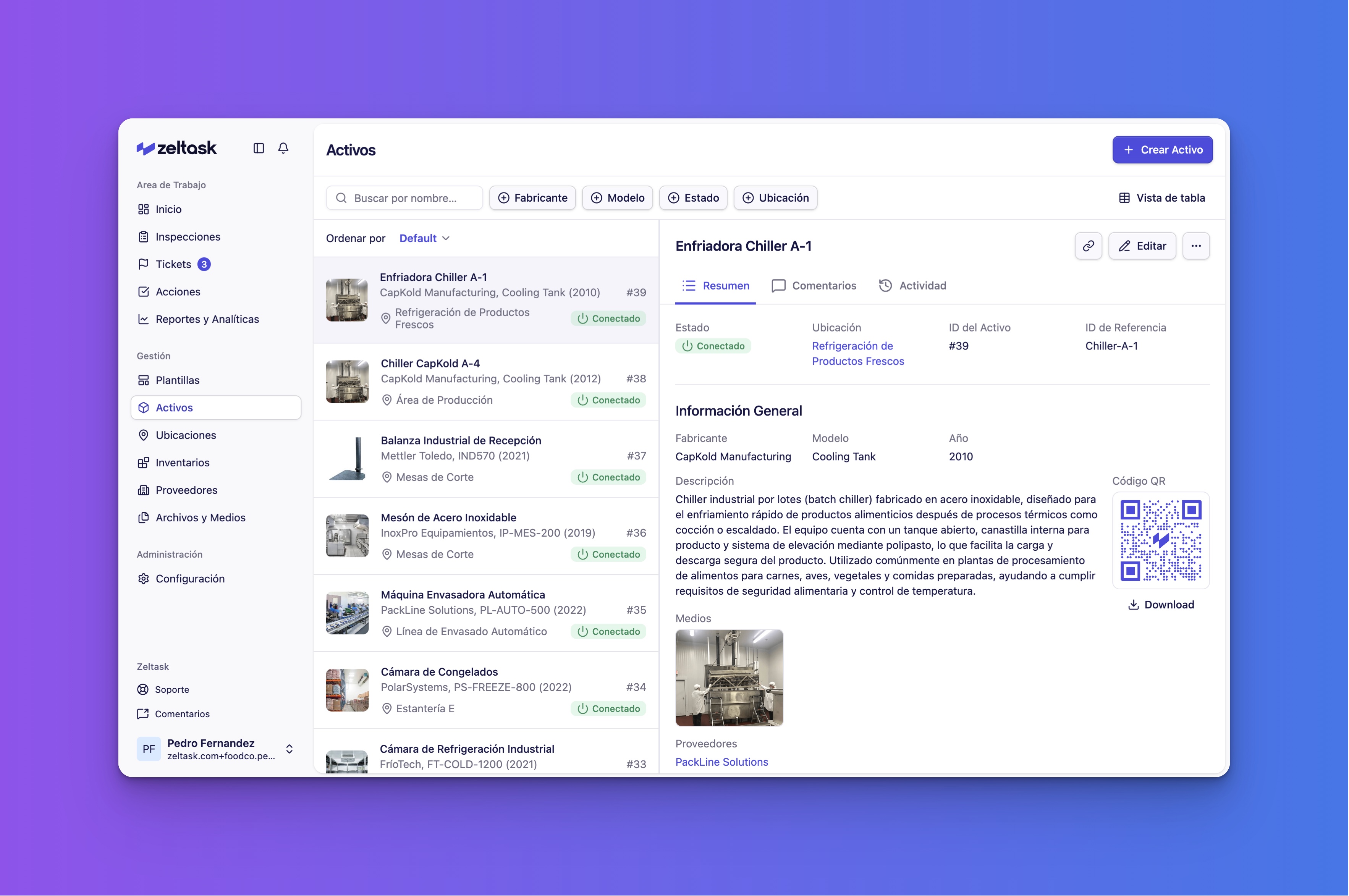
With QR codes on locations and assets, teams can quickly access relevant information and create tickets or actions directly from where issues are found.
Traceability and Audit History
Digital platforms preserve complete audit history, including:
- All responses and evidence
- Comments and communications
- Status changes and timestamps
- Links to related actions and tickets
This traceability supports compliance requirements and demonstrates improvement over time.
Building Process Audits Into Your Operations
Process audits are not a one-time activity. They are an ongoing discipline that supports operational stability and continuous improvement.
When embedded into daily routines, audits shift from control mechanisms to learning tools. Teams gain clearer understanding of how processes actually work—and where they can improve.
Key Success Factors
Start with critical processes. Focus initial audit efforts on processes with the highest impact on quality, safety, or efficiency.
Define clear standards. Audits are only effective when teams know what "good" looks like. Ensure work instructions and procedures are documented and accessible.
Involve frontline teams. The people who do the work understand it best. Include operators in audit development and execution.
Act on findings. Audits without follow-through waste effort and erode trust. Ensure every finding leads to action or documented justification.
Review and improve. Periodically evaluate your audit program itself. Are you finding the right issues? Are actions being completed?
Conclusion
Process audits help manufacturing teams ensure their workflows are stable, repeatable, and aligned with defined standards. By focusing on how work is performed—not just what is produced—audits prevent problems before they occur.
When supported by connected operations platforms, process audits become a powerful driver of consistency, quality, and continuous improvement. Digital tools eliminate paper-based limitations, automate follow-up actions, and provide the visibility teams need to sustain results over time.
For frontline manufacturing teams, process audits are essential to operational excellence.
Ready to see how Zeltask can transform your process audits? Schedule a demo and discover how connected operations work in practice.
Written by
Felipe Borja
Co-founder & CEO
Felipe Borja studied Business Administration at Adolfo Ibáñez University in Chile and earned an MBA from Leipzig University in Germany. At Zeltask, he is responsible for everything related to marketing and working with our clients.